Bulk Trucking Explained: Vital Services for Efficient Cargo Movement
Bulk hauling acts as a crucial component in the process of hauling large volumes of goods. It covers multiple industries, ensuring that materials are transported effectively and economically. By utilizing specialized vehicles, this service reduces the hazards related to manipulation and boosts delivery swiftness. Nevertheless, the environment of bulk trucking is evolving. Grasping its complexities can offer perspective on its increasing importance in contemporary distribution systems. What factors contribute to its effectiveness?
Defining Bulk Trucking?
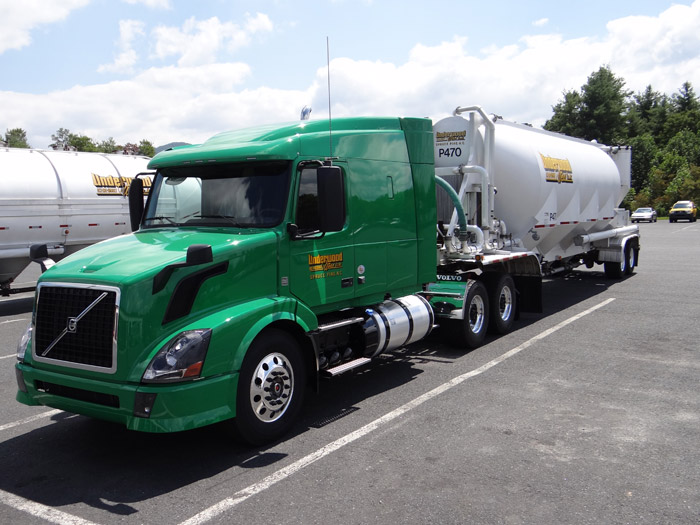
Bulk hauling means the hauling of massive amounts of goods, typically in liquid or dry form, using specialized vehicles. This method is essential for businesses requiring the movement of significant cargo, such as agriculture, chemicals, and construction. Bulk trucks, like liquid tankers and dry material hopper trucks, are built to effectively handle and haul these bulk materials.
The logistics of bulk trucking demand precise preparation and coordination, guaranteeing the correct transporter is applied to particular goods to minimize impurity and breakage. In addition, standards controlling bulk hauling mandate compliance with safety criteria, particularly for hazardous materials.
Bulk trucking plays a significant role in the supply chain, enabling the prompt transfer of essential goods as it minimizes spending linked to hauling. By employing this technique, businesses can optimize their processes, guaranteeing a constant supply of materials needed for output and related activities.
Major Advantages of Bulk Transport
Despite the existence of numerous hauling techniques, bulk trucking offers distinct advantages that can greatly enhance operational efficiency for multiple businesses. One significant benefit is cost-effectiveness; bulk trucking typically lowers the cost per unit shipped due to the ability to transport big loads concurrently. This efficiency means decreased aggregate transport spending, establishing it as a compelling alternative for businesses.
Furthermore, bulk transport offers adaptability in timing and pathfinding, enabling firms to adjust rapidly to shifting requirements. The capacity to carry a wide range of freight, from raw materials to consumer goods, expands its utility.
Moreover, bulk trucking can accelerate transit times, as optimized processes and direct routes reduce the time spent in transit. Better management of loads also results in less handling, lowering the risk of harm while moving cargo. Taken together, these key benefits position bulk trucking as an vital logistical tool for industries demanding reliability and efficiency in their supply chains.
Bulk Cargo Types
Multiple sectors depend on bulk trucking to move diverse categories of freight. A primary category includes farm produce, like grains, fertilizers, and animal feed. These items are generally shipped in large quantities, necessitating specialized bulk trucks designed for effective loading and unloading.
In addition, construction materials like sand, gravel, and cement are frequently moved using bulk trucking services. These goods are crucial to various construction projects and require timely delivery to maintain project schedules.
Chemical substances, like both liquid and dry chemicals, also make up a large part of bulk cargo. These substances demand careful handling and compliance with safety regulations in transit.
In addition, food products, including sugar and flour, are transported in bulk to fulfill manufacturing and distribution requirements. Taken together, the range of bulk cargo highlights the versatility and significance of bulk trucking in supporting various economic sectors.
The Role of Technology in Bulk Trucking
How has technology revolutionized the field of bulk trucking? The use of advanced technology has significantly improved efficiency and safety within the bulk trucking industry. GPS systems essential information permit live tracking of cargo and vehicles, leading to timely deliveries and improved route planning. Moreover, telematics has proven to be a crucial tool, supplying important data about vehicle performance, fuel consumption, and driver behavior, contributing to cost savings and reduced environmental impact
(Illinois top rated Bulk Trucking)In addition, automated systems for inventory management optimize loading and unloading processes, reducing delays and increasing productivity. Tech innovations in communication are vitally important, connecting drivers, fleet managers, and customers smoothly. Such interconnectedness fosters transparency and improves client support by providing accurate updates regarding the status of the shipment. As the industry continues to evolve, these tech innovations will continue to transform bulk hauling, fostering new ideas and enhancing the quality of service in a highly competitive space
Finding the Ideal Bulk Trucking Partner
Choosing the right bulk transport provider is vital for businesses seeking to streamline their supply chain. Firms ought to commence by reviewing their particular material demands, comprising the nature of the materials moved and the volume. Examining the transport company's background in dealing with like deliveries can provide insight into their capabilities.
Moreover, firms need to evaluate the provider's area of operation, making sure the copyright is able to effectively serve the required locations. A further critical element is the copyright's history of safety and following of regulatory standards, which significantly influences the dependability of the service.
The expense is another crucial element; however, businesses should weigh pricing compared to the quality of the work so as not to sacrifice on critical aspects. Finally, customer support and methods of communication are essential in maintaining transparency throughout the shipping process. By carefully analyzing these aspects, companies can select a bulk trucking service which fits their functional demands and goals.
Q&A Section

What Are the Typical Costs When Using Bulk Hauling Providers?
Typical costs associated with bulk trucking services comprise the cost of fuel, pay for drivers, maintenance fees, insurance, and highway charges. Additionally, rates may vary depending on the mileage, the nature of the load, and sector needs, impacting overall pricing structures.
What is the Best Way to Ready My Freight for Bulk Haulage?
To ready your load for bulk transport, ensure adequate wrapping, confirm the load is stable, confirm weight restrictions, and mark the items distinctly. Moreover, look for potential harm and comply with safety standards to facilitate efficient transportation and arrival.
What Are the Necessary Safety Standards for Bulk Haulage?
Safety regulations for bulk trucking mandate maintaining legal weight boundaries, proper securing of cargo, following hazmat protocols, routine truck maintenance checks, and driver training requirements to ensure secure transport and minimize accident risks. - Illinois top rated Bulk Trucking
- Illinois top rated Bulk Trucking
What Measures Do Bulk Carriers Take for Delays?
Bulk trucking companies handle setbacks by providing upfront client communication, revising delivery schedules, and rerouting loads as needed. They also make use of technology to track deliveries, ensuring timely updates and minimizing disruptions to the supply chain.
Can Bulk Trucking Accommodate International Shipping?
Yes, bulk trucking can accommodate international shipping by collaborating with logistics partners and employing appropriate gear. These companies guarantee compliance with international regulations, enabling smooth international movement for various bulk commodities while maintaining efficiency and safety.