Bulk Trucking Explained: Crucial Services for Efficient Cargo Movement
Bulk hauling acts as a crucial component in the supply chain management of moving substantial amounts of cargo. It spans numerous sectors, ensuring that materials are transported effectively and cost-effectively. By using dedicated trucks, this service lessens the dangers related to manipulation and improves transport velocity. Yet, the domain of bulk trucking is undergoing transformation. Knowing its intricacies can offer perspective on its rising relevance in modern supply chains. What factors contribute to its efficiency?
Bulk Trucking Explained?
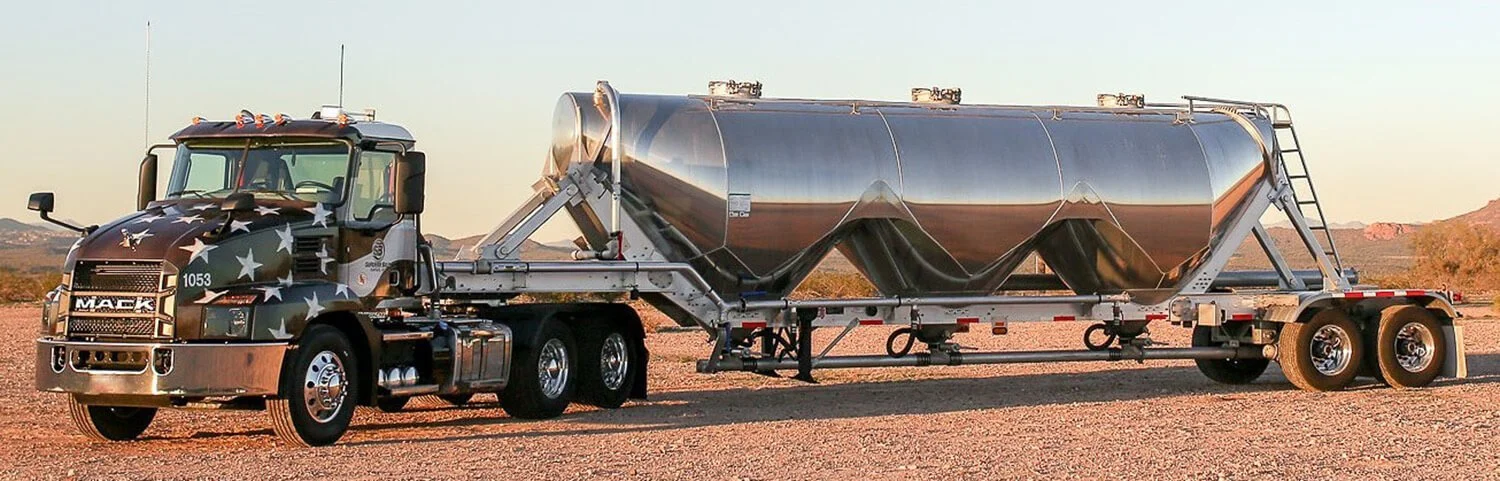
Bulk hauling means the hauling of massive amounts of goods, most often as liquids or dry materials, with the aid of specific transporters. This method is vital for sectors requiring the movement of significant cargo, such as agribusiness, chemical processing, and infrastructure. Bulk haulers, such as tankers for fluids and hopper trucks for dry materials, are engineered to optimally control and haul these bulk materials.
The coordination of bulk hauling demand precise preparation and coordination, ensuring that the right vehicle is utilized for distinct cargo to minimize impurity and breakage. In addition, standards controlling bulk hauling require adherence to safety standards, especially concerning dangerous goods.
Bulk trucking plays a significant role in the supply chain, facilitating the timely delivery of essential goods while optimizing costs associated with transportation. By using this method, businesses can streamline their operations, securing an uninterrupted movement of materials needed for output and additional operations.
The Primary Upsides of Bulk Hauling
Although various transport options are available, bulk trucking provides unique benefits that can greatly enhance operational efficiency for various industries. A key upside is cost efficiency; bulk trucking typically lowers the cost per unit shipped thanks to the power to haul big loads concurrently. This efficiency means decreased aggregate transport spending, making it an attractive option for businesses.
Additionally, bulk trucking provides flexibility in timing and pathfinding, enabling firms to adjust rapidly to changing demands. The potential to carry a wide range of freight, from raw materials to consumer goods, significantly increases its attractiveness.
Furthermore, bulk trucking can improve delivery speed, as streamlined operations and direct routes reduce the time spent in transit. Enhanced load management also leads to reduced handling, lowering the risk of harm while moving cargo. Overall, these key benefits establish bulk trucking as an vital logistical tool for industries seeking reliability and efficiency in their supply chains.
What Bulk Cargo Is Transported
A wide range of industries utilize bulk trucking to transport a wide range of cargo types. A key category includes farm commodities, like grains, fertilizers, and animal feed. This cargo is usually moved in large quantities, meaning specialized bulk trucks are needed designed for quick and easy loading and unloading.
Additionally, construction materials such as sand, gravel, and cement are often transported using bulk trucking services. This cargo is vital for various construction projects and require timely delivery to keep projects on schedule.
Chemical products, like both liquid and dry chemicals, also represent a major segment of bulk cargo. This cargo requires prudent handling and compliance with safety regulations in transit.
In addition, food products, like sugar and flour, are transported in bulk to satisfy manufacturing and distribution needs. Overall, the diversity of bulk cargo types demonstrates the flexibility and value of bulk trucking in aiding diverse economic sectors.
Technology's Impact on Bulk Trucking
How has technology revolutionized the field of bulk trucking? Incorporating advanced technologies has boosted operational efficiency and safety within the bulk trucking industry. GPS tracking systems enable monitoring cargo and vehicle locations in real-time, facilitating timely deliveries and improved route planning. Furthermore, telematics has proven to be a crucial tool, offering key data regarding vehicle performance, fuel consumption, and driver behavior, which ultimately results in cost savings and reduced environmental impact
(Illinois top rated Bulk Trucking)In addition, automated systems for inventory management streamline loading and unloading processes, minimizing delays and maximizing productivity. Modern communication systems are also crucial, linking drivers, fleet managers, and clients effortlessly. This integration fosters transparency and enhances customer service by providing accurate updates regarding the status of the shipment. With the ongoing evolution of the sector, such technological progress are set to redefine bulk transport, fostering new ideas and enhancing the quality of service in a competitive market
Finding the Ideal Bulk Trucking Partner
Picking the ideal bulk hauling company is vital for businesses seeking to streamline their supply chain. Businesses must start by evaluating their specific cargo requirements, comprising the nature of the materials moved and the sheer amount. Reviewing the trucking provider's experience in dealing with like deliveries can provide insight on their competence.
Moreover, firms need to evaluate the geographic coverage of the service, ensuring that the trucking company can efficiently reach the intended destinations. A second key consideration is the provider's safety record and adherence to sector rules, which can greatly impact overall service reliability.
Cost is also a key consideration; however, businesses should weigh pricing compared to the quality of the work to avoid compromising on essential elements. In conclusion, customer service and methods of communication play a vital role in ensuring clarity from start to finish of the transport. Through meticulous review of these points, companies can select a bulk trucking service that aligns with their operational needs and goals.
Q&A Section

What Are the Typical Costs For Bulk Transport Services?
Typical costs associated with bulk trucking services include fuel expenses, driver wages, repair costs, insurance, and highway charges. Additionally, rates may vary based on distance, the nature of the load, and market demand, affecting the total cost models.
How Should I Get My Load Ready for Bulk Trucking?
To prepare cargo for bulk trucking, guarantee proper packaging, secure load stability, check the maximum allowed weight, and label contents clearly. view details Additionally, inspect for any damage and comply with safety standards to allow for smooth transit and arrival.
What Are the Necessary Safety Standards for Bulk Haulage?
Safety regulations for bulk trucking encompass maintaining legal weight boundaries, adequate load securement, following hazmat protocols, routine truck maintenance checks, and driver training requirements to ensure secure transport and minimize accident risks. - Illinois top rated Bulk Trucking
- Illinois top rated Bulk Trucking
How Do Bulk Haulers Address Transportation Delays?
Bulk trucking companies handle setbacks by communicating proactively with clients, adjusting schedules, and rerouting loads as needed. They also utilize technology to track deliveries, ensuring timely updates and lessening disturbances in the logistics network.
Can Bulk Trucking Accommodate International Shipping?
Yes, bulk trucking can accommodate international shipping by partnering with logistics providers and employing appropriate gear. These companies guarantee compliance with international regulations, allowing for easy transit across borders for various bulk commodities while maintaining efficiency and safety.