Understanding Bulk Trucking: Essential Services for Streamlined Cargo Delivery
Bulk trucking serves as a crucial component in the logistics of transporting large volumes of goods. It encompasses various industries, guaranteeing that supplies are moved promptly and with maximum cost efficiency. By utilizing specialized vehicles, this service lessens the dangers related to manipulation and boosts delivery swiftness. Yet, the domain of bulk trucking is undergoing transformation. Knowing its intricacies can shed light on its rising relevance in modern supply chains. What components result to its effectiveness?
What Is Bulk Trucking?
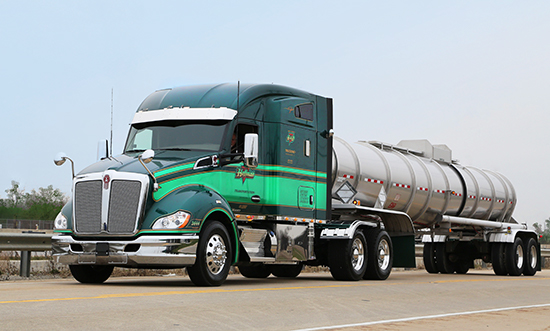
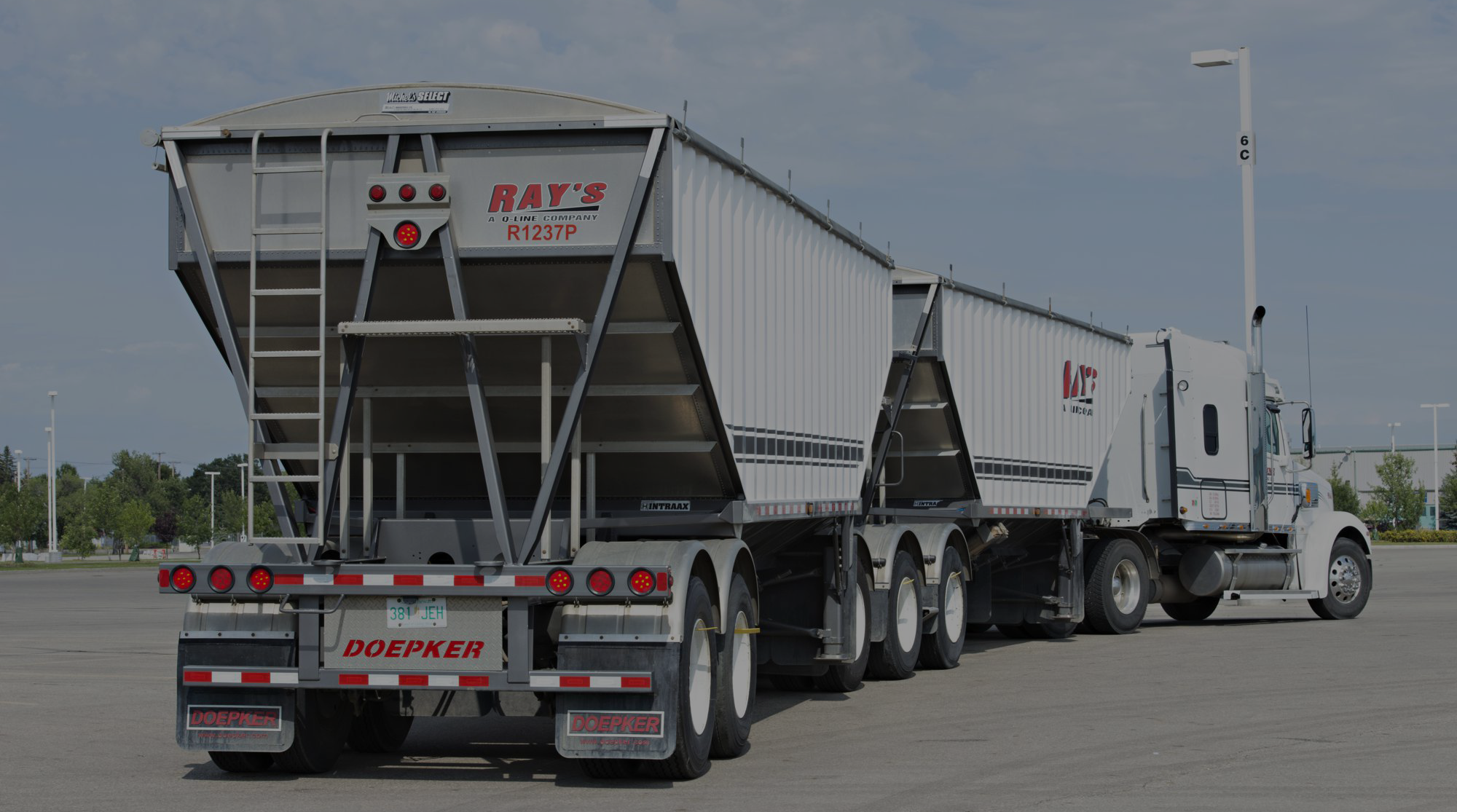
Bulk hauling means the hauling of massive amounts of goods, usually in liquid or granular state, using specialized vehicles. This method is essential for businesses requiring the movement of heavy freight, such as farming, chemical manufacturing, and building. Bulk haulers, including tankers for liquids and hoppers for granular goods, are designed to efficiently manage and move these bulk goods.
The management of bulk transport demand precise preparation and coordination, guaranteeing the correct transporter is used for specific materials to prevent contamination and damage. In addition, rules overseeing bulk movement require adherence to safety standards, specifically regarding risky substances.
Bulk hauling is instrumental in the supply chain, aiding the quick movement of essential goods while optimizing costs associated with transportation. By utilizing this approach, businesses can streamline their operations, guaranteeing a constant supply of materials required for manufacturing and related activities.
Key Benefits of Bulk Trucking
Although various transport options are available, bulk trucking provides unique benefits that can significantly improve workflow effectiveness for multiple businesses. One significant benefit is cost-effectiveness; bulk trucking typically lowers the cost per unit shipped thanks to the power to haul massive quantities at once. This efficiency translates into lower overall transportation expenses, making it an attractive option for businesses.
Additionally, bulk trucking provides flexibility in planning and navigation, allowing companies to adapt quickly to evolving needs. The capacity to transport diverse cargo types, from raw materials to consumer goods, significantly increases its attractiveness.
In addition, bulk trucking can improve delivery speed, as optimized processes and direct routes reduce the time spent in transit. Enhanced load management also means less manual handling, reducing the chance of damage in transit. In summary, these key benefits make bulk trucking an vital logistical tool for industries looking for reliability and efficiency in their supply chains.
What Bulk Cargo Is Transported
Multiple sectors depend on bulk trucking to transport a wide range of cargo types. One of the most common categories includes agricultural products, including grains, fertilizers, and animal feed. These goods are typically transported in large quantities, requiring specialized bulk trucks designed for efficient loading and unloading.
Additionally, construction materials such as sand, gravel, and cement are often transported using bulk trucking services. This cargo is vital for various construction projects and need prompt delivery to maintain project schedules.
Chemical substances, including liquids and dry chemicals, also constitute a significant portion of bulk cargo. These chemicals necessitate prudent handling and compliance with safety regulations in transit.
Moreover, food products, such as sugar and flour, are transported in bulk to satisfy manufacturing and distribution needs. Overall, the diversity of bulk cargo types showcases the versatility and importance of bulk trucking in helping various parts of the economy.
The Role of Technology in Bulk Trucking
How has technology transformed the field of bulk trucking? The integration of advanced technologies has significantly improved efficiency and safety within the bulk trucking industry. GPS systems permit live tracking of cargo and vehicles, facilitating timely deliveries and improved route planning. Additionally, telematics has emerged as an essential tool, offering key data regarding vehicle performance, fuel consumption, and driver behavior, contributing to cost savings and reduced environmental impact
(Illinois top rated Bulk Trucking)Furthermore, automated systems for inventory management optimize loading and unloading processes, reducing delays and increasing productivity. Communication technologies also hold a key position, joining drivers, fleet managers, and clients effortlessly. Such interconnectedness fosters transparency and boosts service quality by giving reliable status reports on shipment status. As the industry continues to evolve, these technological advancements are set to redefine bulk transport, driving innovation and improving service quality in a competitive market
Finding the Ideal Bulk Trucking Partner
Choosing the right bulk transport provider is crucial for firms that want to enhance their operational efficiency. Companies should begin by reviewing their particular material demands, including the type of materials being additional resource transported and the sheer amount. Examining the transport company's background with managing comparable loads offers valuable perspective into their capabilities.
Moreover, firms need to evaluate the service's operational reach, making sure the copyright is able to effectively serve the required locations. Another important factor involves the company's safety performance and following of regulatory standards, which can greatly impact the dependability of the service.
The expense is another crucial element; however, companies must balance costs against service quality so as not to sacrifice on critical aspects. In conclusion, customer service and communication practices are critically important in preserving openness during the entire delivery operation. By thoroughly examining these factors, firms may pick a bulk hauling partner which fits their functional demands and objectives.
Q&A Section
What Are the Typical Costs When Using Bulk Hauling Providers?
Typical costs associated with bulk trucking services include fuel expenses, labor costs, upkeep charges, coverage, and highway charges. Additionally, rates may vary depending on the mileage, the kind of freight, and sector needs, affecting the total cost models.
How Do I Prepare My Cargo for Bulk Haulage?
To prepare cargo for bulk trucking, guarantee proper packaging, make sure the cargo is fixed, check the maximum allowed weight, and clearly tag the contents. Moreover, look for potential harm and follow safety regulations to facilitate efficient transportation and delivery.
What Safety Regulations Apply in Bulk Transport?
Safety regulations for bulk trucking mandate adhering to weight limits, proper securing of cargo, following hazmat protocols, routine truck maintenance checks, and driver training requirements to facilitate safe transit and reduce the chance of accidents. - Illinois top rated Bulk Trucking
- Illinois top rated Bulk Trucking
What Measures Do Bulk Carriers Take for Delays?
Bulk trucking companies address interruptions by providing upfront client communication, modifying timelines, and changing routes when necessary. They also utilize technology to keep tabs on loads, ensuring timely updates and minimizing disruptions to the supply chain.
Do Bulk Carriers Offer International Transportation Services?
Yes, bulk trucking can accommodate international shipping by collaborating with logistics partners and employing appropriate gear. These companies ensure adherence to global standards, facilitating seamless cross-border transport for various bulk commodities while upholding security and effectiveness.